

Everybody Wants the View. Few Want the Climb.
Hills We Will Stand On.
As an Ivy League–Trained Physician With an Additional 30+ Years of Integrative & Psychospiritual Education/Experience and a 25 year Double Credentialed ABD Veteran Educator with 15 years of Coaching Experience
We've spent decades in human service, much of it observing and studying human beings. In corporate and medical institutions, schools, clinical and community settings, spiritual spaces, and perhaps most importantly, within ourselves.
And after all that training, practicing, observing, unlearning, and occasionally being humbled beyond recognition, there are three hills we are willing to stand on.
1. Eighteen months is a starting point. Not mastery.
Eighteen months of education or clinical training barely scratches the surface of what it means to be entrusted with human lives, complex suffering, and the authority to prescribe substances that alter minds and bodies at best, and can seriously harm and kills at worst. Barely gives us license to create plans that can drastically alter the course of children's lives.
Credentials grant permission. They don't automatically confer wisdom, discernment, or sound judgment.
Humility should increase with responsibility, not disappear behind a framed glossy piece of cardstock or a prescription pad.
2. You cannot meaningfully guide others through territory you refuse to explore within yourself.
You can memorize every diagnostic criterion, master every intervention, and collect enough certifications to wallpaper your office.
But if you haven't examined your own fears, projections, motivations, wounds, and patterns, those unresolved parts of you will inevitably enter the room with those you are supposed to be serving.
Self-examination isn't optional personal enrichment. It's professional responsibility.
3. Our greatest gifts often live behind our most uncomfortable truths.
The inability to see ourselves objectively is perhaps the greatest barrier to accessing our full potential.
We protect our identities, defend our narratives, and avoid the truths that threaten who we believe ourselves to be.
Meanwhile, our gifts sit waiting behind the very doors we're afraid to open.
Conclusion?
We are no longer interested in convincing everybody.
We are here to play our part, use every gift given, and lessons from every setback or flaw to serve humanity as fully and authentically as possible.
Not to perform wisdom. To embody what we learned.
And the people willing to look inward, confront uncomfortable truths, and access what they've yet to fully express?
Those are our people.
Everybody isn't coming. And everybody doesn't have to.

Baby, Your Caboose is On Fire
We live in a world where somebody else’s dysfunction can be wildly entertaining.
Not funny-funny.
More like, Lord… now why would she do that?
Current examples: Blueface, Nevaeh, Chrisean et al. Cardi B.Diddy. {Insert your fave}
Next thing you know, you are emotionally parked on the side of the highway watching somebody else’s train wreck like you bought VIP seats.
Paprika taught us something about that.
She was our black tortoiseshell cat, clearly feral-born, rescued, brought into our house in the 2020 pet frenzy, and eventually very committed to becoming an outside cat.
We worried.
About safety. About judgment. About being the only Black family in the neighborhood. About vague social media posts from neighbors that felt suspiciously specific.
Meanwhile, Paprika was fine.
We were the ones spiraling.
Working in addiction medicine treatment and overseeing schools in the Boogie Down, that lesson felt familiar.
We care for people in every stage of drug and alcohol use. Some are ready to change. Some are not. Some come back. Some disappear. Some repeat the same pattern nineteen times.
We also help support a large population of the most vulnerable kids in NYC. The responsibility of feeling accountable for their well being is overwhelming, to say the least. The task of advocating for change in schools is insurmountable.
And the temptation is always there to think:
Whyyyyy? People, Why?
But care is not control.
Sometimes grown people have to meet their own consequences.
Sometimes our job is to offer safety, truth, treatment, harm reduction, compassion, and an open door.
Then let them be.
That applies to supervisors and coworkers too.
You can spend so much time diagnosing somebody else’s dysfunction that you miss your own.
You are talking about her lack of boundaries while answering emails at 10:47 p.m.
You are discussing their lack of self-awareness while everybody around you has been gently trying to tell you you do the same thing Juneteenth 2022.
Maybe somebody else’s train really is off the tracks.
But not every derailment needs your commentary.
Sometimes the better question is:
What in the wreck is mine to clean up?
Let them learn.
Let them bump their head.
Let them have their plot twist.
And before issuing wreck inspection reports on everybody else’s dysfunction, make sure your own caboose is not on fire.
Because everybody from the janitor to the CEO has one.

collaboCo 2026: Anchoring Truths ⚓
collaboCo 2026 was basically: come to the Keys, tell the truth, be quiet when you need to, eat well, rest or move your body as needed, learn something about yourself, create something, and stop accepting that burnout is a permanent character flaw.
Very SANE of us.
We had space to express, space to sit in silence, space to nourish ourselves, and space to remember that sometimes the most productive thing you can do is absolutely nothing for a minute.
And baby, the metaphors were everywhere.
We had arguably the unexpectedly best sunset dinner of the trip at Papa Joe’s and also possibly the worst vegan breakfast ever.
Lesson?
Everything labeled “good for you” is not necessarily nourishing.
That includes food, jobs, relationships, professional opportunities, and advice from people with impressive letters behind their names.
Discernment, sis.
Then there was the water.
Crystal clear. Gorgeous. Caribbean-postcard energy.
And also… a little sargassum.
Because apparently even paradise said, “You still gotta deal with some stuff.”
Which honestly is self-actualization in a nutshell.
The goal is not to become so evolved that no seaweed ever touches your ankle.
The goal is to stop letting a little seaweed convince you the whole ocean is ruined.
And then came the 7 Mile Bridge to Key West.
Vertigo.
Panic.
Water on both sides.
Nowhere to pull over.
Just us, the bridge, my nervous system, and slow breathing.
And there it was again:
Sometimes the path is correct and your body is still screaming, “ABSOLUTELY NOT.”
Growth can feel destabilizing.
Expansion can feel unsafe before it feels freeing.
You can know where you are going and still be scared halfway there.
That is where anchoring truth matters ⚓.
Who are you when your doubts and fear are loud?
What do you know for sure about your values, your work, your purpose, your limits?
We left collaboCo 2026 with more than memories.
We left with anchors.
Less proving.
Less performing.
More clarity.
More self-trust.
And a deeper understanding that before we shift, we may need to shift what we are anchored to.
Because sometimes the bridge is long.
The water is deep.
And you still keep driving.

Ghost Mode
So it may have seemed collabo vanished for a few weeks.
And before anybody starts with the “yess sis protect your peace” speeches, please understand:
No silent retreat.
No journaling near a waterfall.
A touch of “pouring back into myself.”
Yes, somewhere slightly febrile saying:
WHO ELSE NEEDS SOMETHING FROM ME?!
😭😂
First back to school. Then back to school virus.
Then the whole team caught the rona.
Then deadlines started breeding.
Then new beginnings started kicking the door in like, “Hey girl! You ready?”
NO.
I AM NOT.
COME BACK THURSDAY.
And somewhere around day six, the comms department looked at me, packed her little purse, and said:
“Clearly this is not a priority right now. Call me when y’all get this household together.”
Fair.
Because…
Sometimes we call it “ghost mode” when really you are just a woman with a fever and 47 tabs open and at least three of them are playing music and you cannot figure out WHICH THREE.
Yes, ideas.drafts.things to say.
Also people with coughs and muscle aches and 21 hour sleep cycles.
So.Here we are.
And strangely enough, we came out of these two weeks more excited than ever because—
COLLABO RETREAT YEAR THREE IS COMING.
And baby…
we are going to the FLORIDA KEYS.
Yes.
THE KEYS.
Because after several years of work, leadership, personalities, policies, Zoom meetings, “per my last email,” and people scheduling meetings that absolutely could have been an email…
We have earned some crystal WATERS. And we are at capacity. For privacy’s sake as a private membership for the safety of our sisters we keep it on the DL like Kels.
😂
We will say, this third annual collabo retreat feels different already.
Year one was:
“OMG, we really did this!”
Year two was:
“Wait… we are coming back?!”
Year three is:
“Ohhhh.
We know who we are now.”
And THAT is a different kind of energy.
We have lessons now.
Stories.
Jokes.
Things that worked.
Things that absolutely did NOT work and will never see daylight again.
Things we thought were brilliant that the universe gently placed in the trash.
And brand-new ideas that are about to change how collabo shows up.
Because collabo is growing up.
Not ever corporate grown.
Absolutely not.
Nobody is about to make us start saying things like “synergistic stakeholder alignment.”
We will shut the whole thing down.
😂
But grounded grown.
Clearer.
Warmer.
More useful.
More honest.
More focused on what we actually need to survive and thrive without turning into somebody we don’t recognize. Broadcasting at a clearer frequency.
How do you lead without becoming a boss baby?
How do you collaborate without becoming everybody’s emotional support ferret?
How do you have boundaries without sending a six-paragraph text explaining why you have a boundary?
How do you stop taking every weird workplace interaction home and conducting a full FBI investigation in your head at 11:47 p.m.?
(Ma’am. GO TO BED)
That’s the work.
Some new collabo offerings and approaches are coming that feel much more aligned with everything we have learned.
Some things are getting simpler.
Some things are getting deeper.
Some things are getting way more fun.
And several ideas that have been sitting in the Notes app looking homeless are finally getting an address.
So yes.
We disappeared.
But we was not gone.
Mothering.
Leading.
Putting out little fires.
Moving deadlines.
Starting new things.
Watching old things evolve.
Wondering how some people still managed to catch us in spite of a very clear DO NOT DISTURB sign hanging on every door.
And now?
We outside.
Well…
professionally outside.
With our version of continuing education.
And boundaries.
And coconut oil.
collabo: year three.
Florida Keys.
less solo. more soul.
Lessons.
Love.
Goodness.
Growth.
And God willing…we will have 3 hours of meaningful DND in airplane mode before we even land.
🌴

The Key
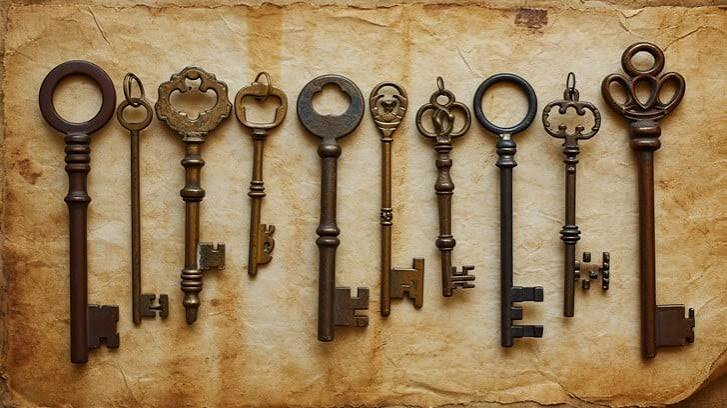
Fair Use Image
You know that thing where you lose your keys and tear the whole house apart looking for them? You check your purse three times. The kitchen counter. Yesterday’s coat. The car. You start accusing other people of moving them. And then there they are—in the same place they always are. There’s a key lesson in that: sometimes we search everywhere except the most obvious place.
Recently, we consulted with an organization after an incident in which a patient was potentially harmed.
My instinct was to ask about the system.
What was the process? What policies were in place? Were they clear? Did the workflow make sense? Where were the gaps? And most importantly: How might the organization itself have contributed to this outcome?
Another leader quickly shifted the conversation.
The staff member involved, he pointed out, had been “disrespectful and nonchalant.”
Maybe she was.
But that wasn't the question.
It struck me because healthcare providers are inherently leaders—even when leader isn't anywhere in our title.
Every day, human service professionals, physicians, NPs, PAs, nurses and other clinicians make decisions that can alter the trajectory of another human being's life. We decide what deserves attention. What can wait. What gets investigated. What gets dismissed. Who needs escalation. Our authority isn't simply granted by an organizational chart. It is embedded in the responsibility people entrust to us.
And with that authority comes an obligation to look inward.
One of the hardest lessons of leadership is resisting the delicious convenience of finding the person who did something wrong.
Because once we've identified her attitude, his mistake or their poor judgment, we get to stop examining ourselves.
Accountability matters. Professionalism matters. Competence matters.
But accountability without self-examination can quickly become blame wearing a leadership badge.
At collabo™, we talk about developing inner authority—the ability to stay curious and grounded when it would be easier to defend, deflect or condemn.
When something goes wrong, leadership asks us to consider:
What did I miss?
What did we normalize?
What did our system make easier—or harder?
**What did I contribute? **
and perhaps most importantly...
How can this help shift our understanding?
Leadership isn't standing above the problem and pointing down.
It is understanding that if you lead the system, you are part of the system.
Funny enough, the lesson is a lot like those missing keys.
Before searching everywhere else, check the place they're most likely to be.
Sometimes, that's the mirror.
Find Your Y
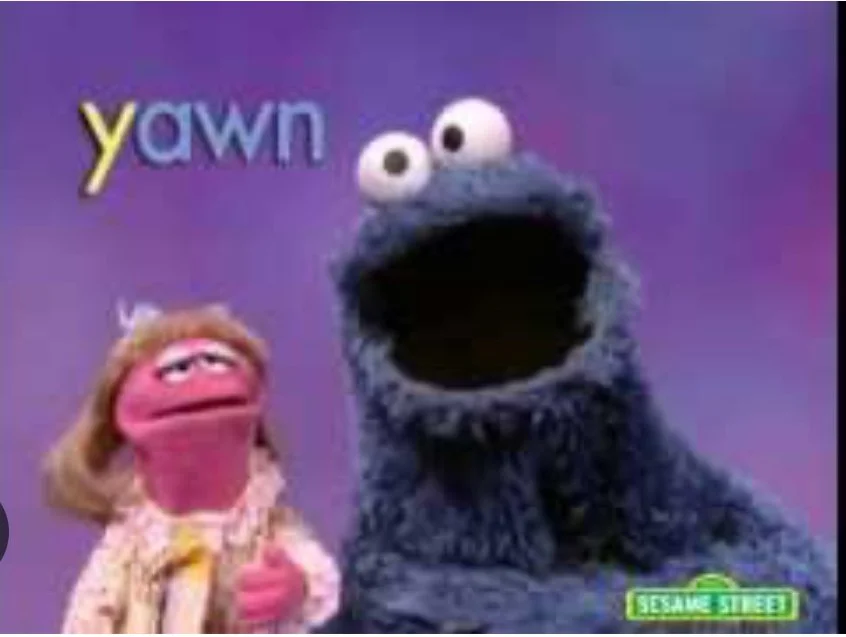
Photo Fair Use Courtesy of Sesame Street
What’s the question you get asked most?
Think about it. The question colleagues, clients, friends, or complete strangers ask the minute they find out what you do.
Now think about how you answer it.
Is it easy peasy breezy? Does the answer roll out before you’ve even finished your coffee? That ease is worth noticing. We sometimes think expertise should look like struggling over complicated answers, quoting research, or reminding everyone how many letters live behind our names.
But expertise often sounds simple because you’ve spent years making the complicated understandable.
Your most frequently asked question may actually be evidence of what other people already recognize as your expertise. And the questions that fascinate you most may tell you something even bigger.
Which brings me to my favorite letter: Y.
Yes, Sesame Street style: Today’s episode is brought to you by the letter Y.
As a Physician who is also an “addiction expert,” the question I probably get asked most is:
“How many people actually stop?”
My answer is almost always another question:
“Why?”
Why are you asking?
Because before I throw a statistic at you, I need to know what information you’re actually looking for.
Are you asking how many people never use a substance again? How many stop drinking or their drug of choice all together? How many dramatically reduce their use? How many return to work, parenting, housing, relationships, and health? Are you asking because you’re treating someone? Loving someone? Losing hope in someone?
Or maybe yourself?
The why changes the answer.
And that’s probably why Y has become my favorite letter.
At collabo™, we believe why is particularly powerful for busy professional women. We spend so much of our lives answering what’s next? What needs to get done? What does the team need? What do the kids need? What problem needs fixing? What box still needs checking?
Excellence can keep you moving so efficiently that you never notice you’ve moved away from yourself.
Why brings you back.
Why am I doing this?
Why does this matter to me?
Why did I choose this work in the first place?
Why am I brilliant at certain things that feel almost effortless to me?
That kind of questioning isn’t another self-improvement assignment. It is a return to insight, wisdom and wholeness—the wisdom underneath all that productivity and applying it to now.
Sometimes insight is knowing the answer deeply.
Sometimes wisdom is knowing that we’ve been asking the wrong question.
Sometimes taking a step back and looking at the big picture is all we need to know why.
So yes, this episode is brought to you by the letter Y.
Because at collabo™, we’re especially interested in what happens when women like you start under standing why.
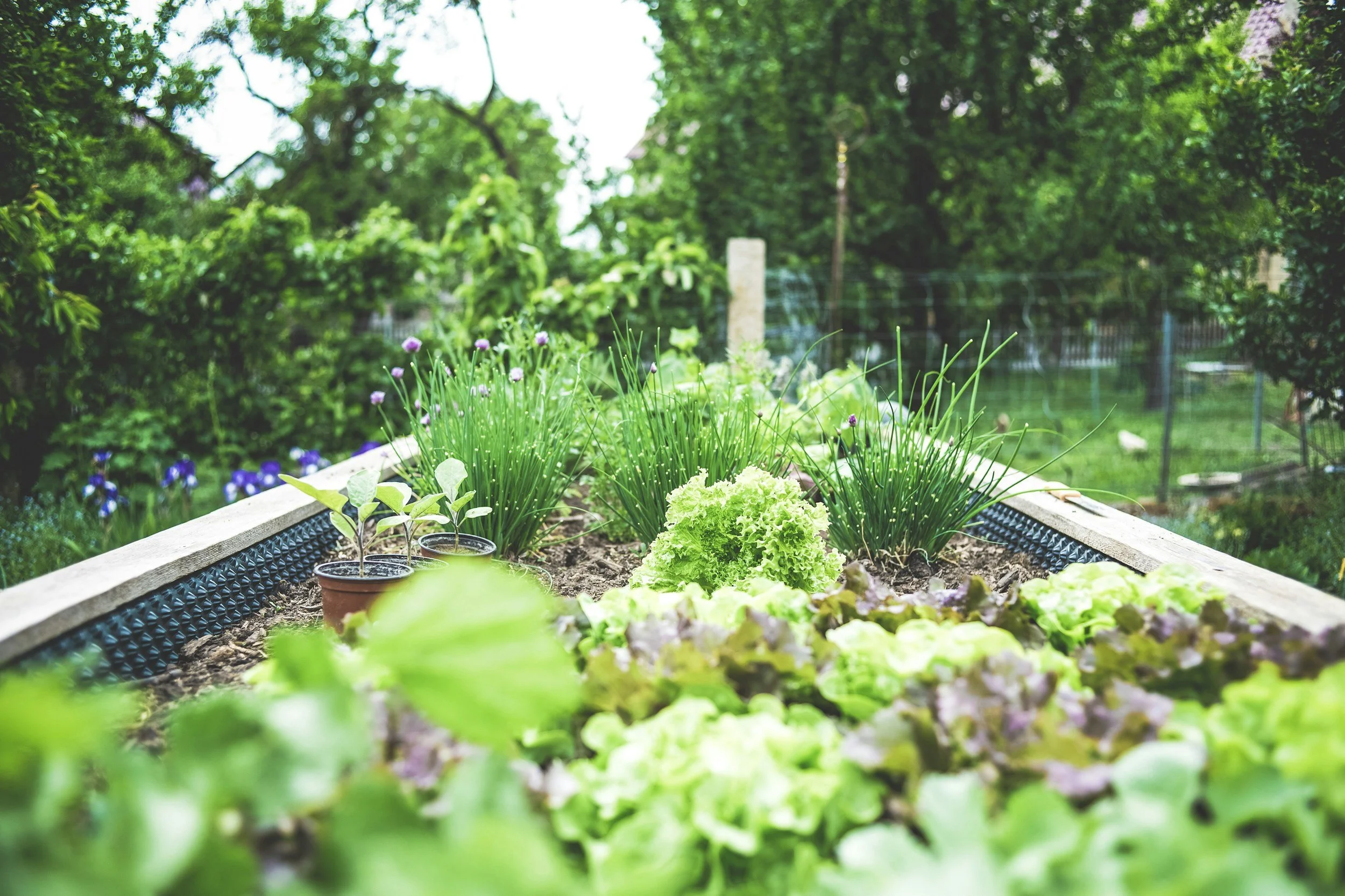
S.O.S
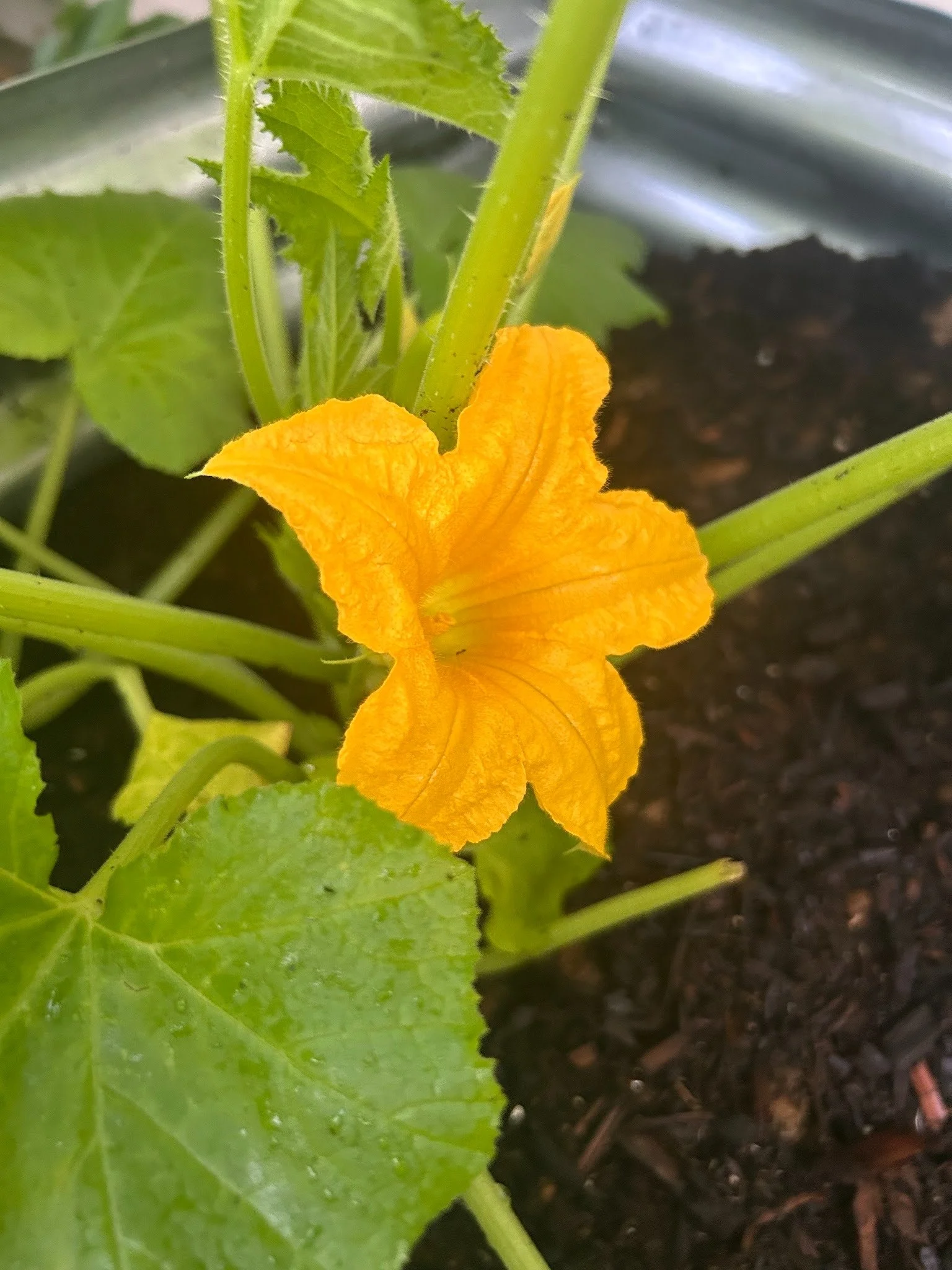
THEY LIVED!!!!!!!!!!!!!!!!!!
photo by I&I Collabo
Imagine you wanted to plant a garden. 6 summers after moving into your current home you finally actually decided it was time.
That was me. This June, I walked into WalèMart looking for tomato and squash plants like somebody’s country cousin.
I was on CPT time so of course and it was very late in the season. By the time I pulled up, the garden section looked like a plant nursing home instead of a nursery.
The big, leafy tomatoes with little green babies already growing? Gone. There - Terminal Tomatoes.
The squash plants standing tall like valedictorian? Gone. There - Zombified Zucchini.
What was left looked like it had been through three famines, two heat waves, and a hostile corporate takeover. Leaves yellow. Stems bent. Soil dry as an airport Popeyes biscuit without the margarine spread.
And what did I do? I picked up three of them.
Halfway to the checkout I stopped and laughed.
“Whyyyy oh why are you always trying to save something?”
If that wasn’t the story of so many us women, I don’t know what is.
We don’t just buy the struggling squash plant. We become the struggling squash plant’s life coach.
We walk into jobs few want because “it’s a quiet opportunity.” We volunteer for committees that everybody else somehow forgot to sign up for. We tend and nend broken systems, become the office go-to girl, cover everybody’s shift, disregard disrespect with a smile, and then wonder why we leave on Friday wanting to….(get creative!)
Somewhere along the way we confused and then convinced others that value equals avail.
Somewhere we learned that if we could just resuscitate just one more dying thing, somebody would finally see our worth.
But lovely one, listen here.
Everything with potential is not your professional or (ahem) personal assignment.
Just because you can resurrect it doesn’t mean God wrote your name on it.
You are not the emergency contact for every struggling workplace, every dysfunctional team, every underfunded project, or every person who suddenly “needs your wisdom” after ignoring your expertise for years.
We’ve all had that supervisor who looked at us like, “Yeah, you’ll figure it out.”
Yes Ma’am and, where is the budget? Where is the staff? Where is the support? How has this situation panned out in the past for y’all?
Don’t hand me a dead plant and call it leadership.Because at the end of the day, it is living people’s lives and livelihoods that are on the line.
Now, did I buy those tomatoes?
Absolutely.
Because we are bad mamajama’s and we are talented, and stubborn, and have big beautiful hearts full of hope and vision, and already have an unlimited supply of mineral rich, luscious soil and fertilizer at home.
Or did I buy them because I wanted to save them, saw their potential and knew they could grow?
Or was it because they were all I believed I deserved, all I could find at the time and was determined to finally grow my damn garden this summer,finally?
Let’s stop treating ourselves like women who should be grateful for whatever is left on the shelf.
You are not the “pick me” candidate. You are not the backup plan. You are not the fixer of every mess simply because you’ve become good at surviving them.
The healthiest gardens don’t grow because one determined but exhausted woman keeps reviving dying plants.
They grow because they’re planted in good soil from the beginning.
May this be the season you stop proving you can survive impossible conditions and start expecting to flourish in places that were prepared for someone exactly like you.

Sis… If I Had Legs I'd Kick You Wasn't Just a Movie. It Was a Mirror.

Image for Fair Use: ABC News
Ok if you know anything about this movie, this may sound like a far cry but hear me out. I mean ASAP Rocky was in a leading role if that means anything :) But also…
Have you ever watched a movie that left you feeling exposed?
Not because it reminded you of one bad day—but because it quietly reflected years of carrying too much without even realizing how heavy it had become.
That's exactly what If I Had Legs I'd Kick You did for me.
As I&I women, especially those of us who heal and serve for a living, we're fluent in survival. We can serve dozens in a day, lead a meeting, comfort a family, answer twenty 11 inbox messages, make it to basketball practice, check on our mama, and somehow still convince everyone around us we're "doing fine."
Yes ma’am... we're Olympic-level mask wearers.
The mother in this film isn't falling apart because she's weak. She's falling apart because she's been too strong for far too long.
And if we're honest?
Many of us know exactly what that feels like.
We were raised to push through. To pray through. To smile through. To work twice as hard for others for half the recognition. Somewhere along the way, we started believing that needing support meant we weren't built for this.
So we keep going.
Until our bodies start talking louder than our mouths.
Until we're snapping at people we love.
Until joy starts feeling unfamiliar.
Until we realize we've become experts at taking care of everyone except ourselves.
Now don't get me wrong—therapy has improved countless lives. Many of us wouldn't be where we are without it.
But here's the question this movie made me ask:
Why are so many high-achieving women who help others still exhausted... even after they've learned the language of healing?
Sometimes we can explain every childhood wound, every attachment style, every trauma response—and still wake up every morning living inside the exact same patterns.
Because awareness is the beginning.
It isn't the destination.
Nobody taught us how perfectionism shows up in how we meticulously manage others.
Nobody taught us how code switching changes the way we speak in meetings.
Nobody taught us how being "the strong one" quietly becomes our entire identity.
Nobody taught us how centuries of carrying our families, our communities, and our workplaces could settle into our systems.
That's why we created collabo.
Not because we need another leadership or burnout course.
Not because we need another motivational quote.
But because we believe we need each other.
We need spaces where accomplished women can finally say, "I don't know."
Where asking questions isn't seen as weakness.
Where mentorship replaces competition.
Where purpose gets louder than performance.
At collabo we talk about three things: meaning, mastery, and mentorship.
Meaning reminds you why little girl you dreamed of becoming a healer in the first place.
Mastery helps you become deeply confident—not because you know everything, but because you're no longer afraid of what you don't know.
Mentorship reminds you that none of us were ever supposed to carry this alone.
Watching this movie, I didn't just see one overwhelmed crazy white woman mother.
I saw all professional women busy helping others when they need help. I saw physicians, nurse practitioners, PAs, teachers, social workers and therapists with sometimes overwhelming and complex lives.
I saw us.
The healing we've been searching for isn't about becoming stronger or more resilient, it's about finally putting some of the weight down.
Because we have never had a strength problem.
We've had a support problem.
And that's exactly what collabo was built to change.
AND that is where collabo seeks to offer something different.
At collabo, we believe shift begins with small doses of self-awareness. Not simply asking, "How are you feeling?" but asking, "Who have you become while trying to help everyone else?"
Our framework rests on three pillars:
Meaning reminds us why we entered healing before productivity metrics, inboxes, and endless documentation began defining success.
Mastery develops genuine confidence that comes from mentorship, reflection, and continuous learning—not from pretending to have all the answers.
Mentorship creates safe relationships where uncertainty is welcomed rather than hidden, allowing witnessed growth without shame.
The mother's story illustrates what happens when someone continually gives without receiving the support, perspective, and community needed to remain whole. Her experience is not merely personal—it reflects a broader cultural pattern affecting caregivers everywhere.
Self-awareness is not a luxury reserved for #Sundayresets or wellness retreats. It is a professional competency. A professional woman who understands their own nervous system, emotional triggers, cognitive biases, and patterns of overfunctioning is better equipped to communicate, collaborate, make thoughtful decisions, and provide compassionate care.
Perhaps the greatest lesson from If I Had Legs I'd Kick You is that healing rarely happens in isolation. We are not meant to shoulder impossible burdens alone.
The workforce has spent generations teaching professionals how to care for others. The next generation of must also teach helpers and healers how to care for themselves—and for one another.
Because healthier women create healthier workplaces. Healthier workplaces create healthier systems. And healthier systems ultimately create a healthier world .
That is the future collabo is working to build: less solo, more soul.
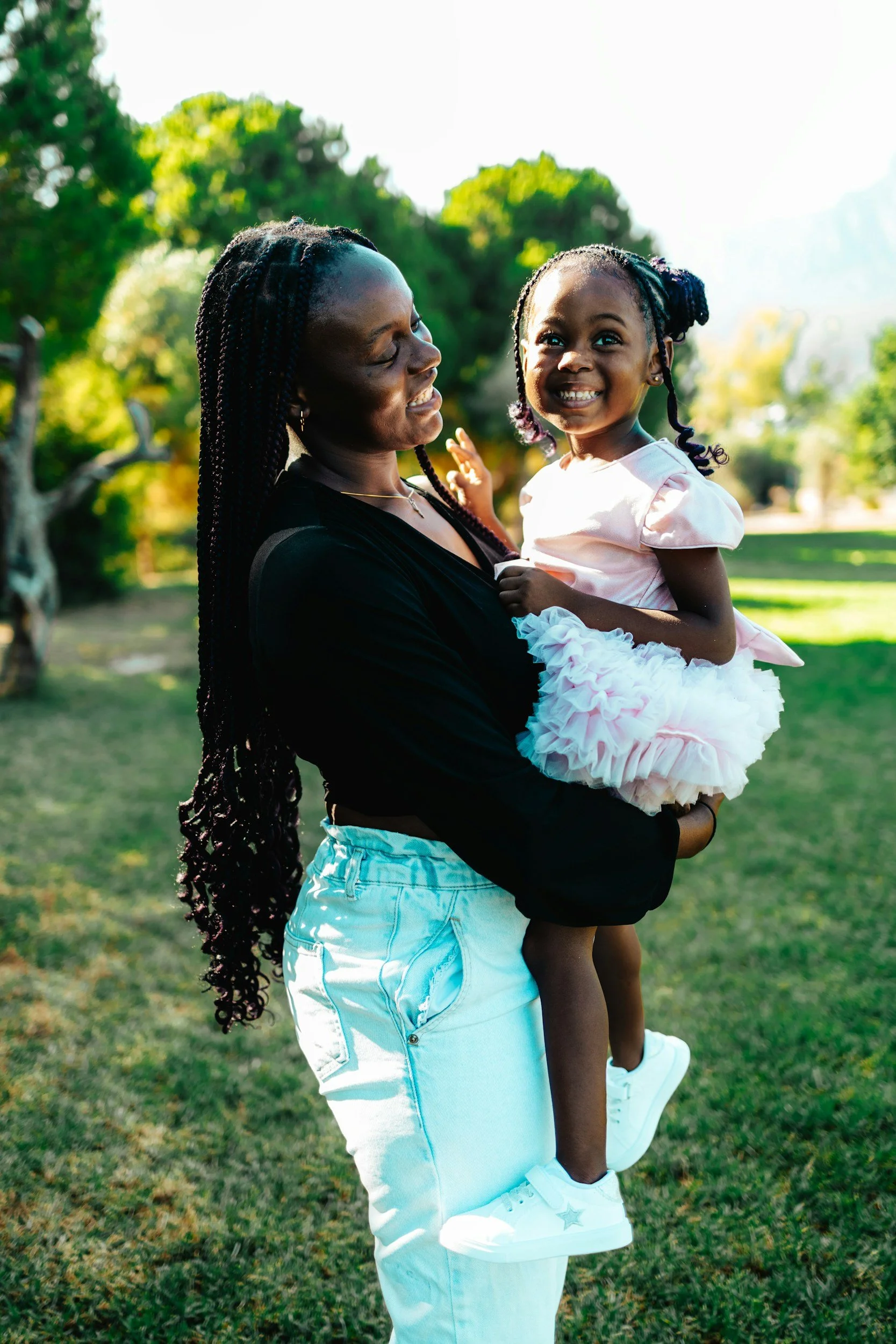
When HIPAA Hurts: We Healers Need Each Other
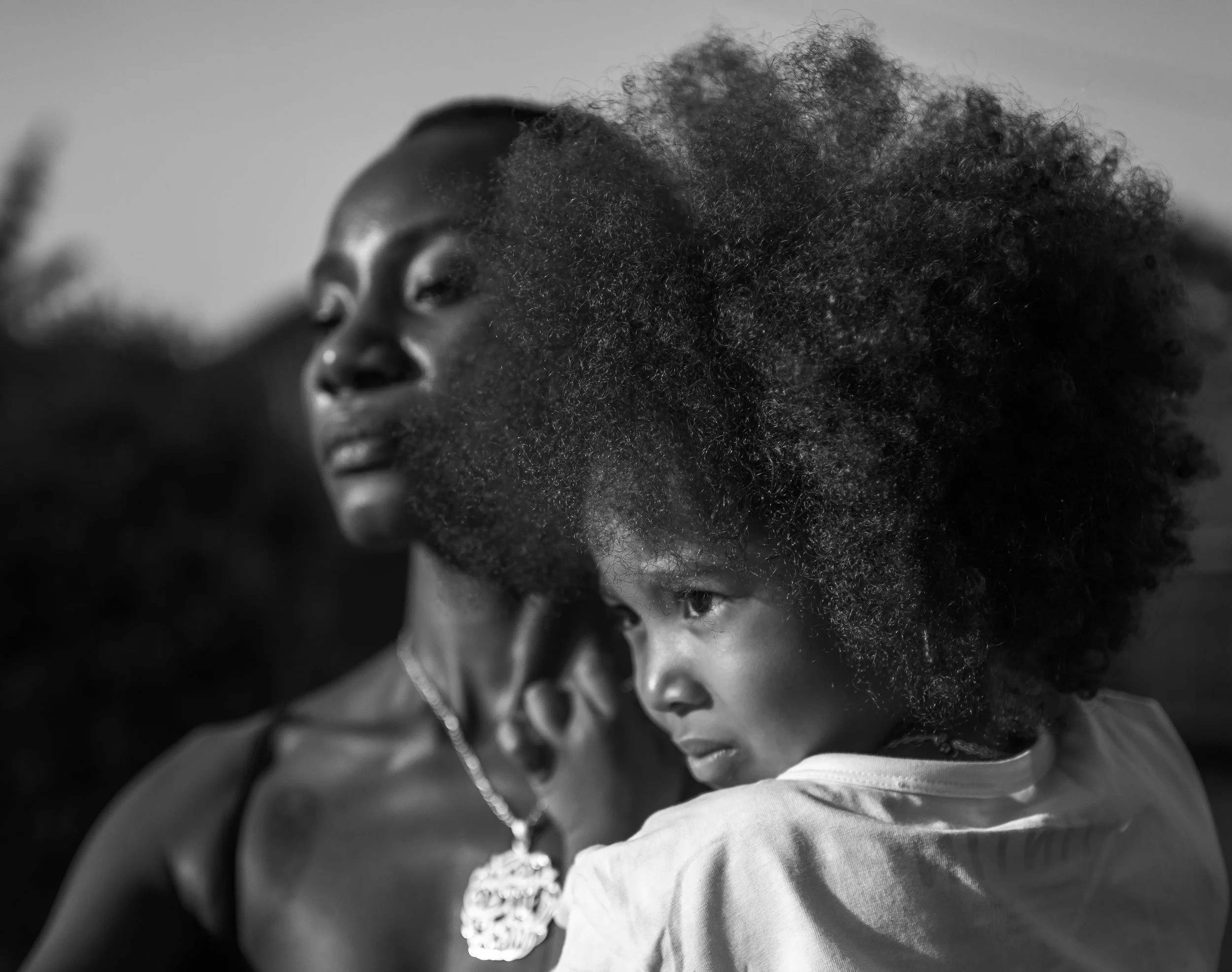
She sat across from me cute and lively with bright yet tired eyes that looked older than her years.
She was young. A mother. A daughter. Someone's whole world.
Her life had been unraveled by addiction—not because she lacked intelligence, strength, or love, but because addiction has a way of convincing people they are alone long before they actually are.
Now she was doing the impossible. She was learning how to live a new life. Every ordinary moment felt uncomfortable and unfamiliar. Every decision she made seemed big. Every day was a battle between who she had been and who she longed to become.
Raising a small child while trying to re-parent herself.
The daughter of hardworking immigrants who loved her deeply but had no language for addiction. In their world, perseverance solved problems. Willpower fixed weakness. Mental suffering endured quietly. They wanted their daughter back, the weekend trips and family parties but they couldn't understand why she couldn't simply choose to be the person she once was.
So she carried two burdens: recovery itself being misunderstood.
Listen.
Encourage.
Witness.
Holding enough hope to borrow for herself.
She left and I remained.
This is the part few people talk about.
Healthcare teaches us how to maintain boundaries. We learn confidentiality. We learn documentation. We learn HIPAA. These protections are essential because every person deserves dignity and privacy.
But somewhere along the way, many healers began believing that confidentiality meant isolation.
We quietly carry story after story.
We absorb grief, trauma, fear, shame, loss, and heartbreak.
We cannot tell our spouses the details.
We cannot call a friend to process the day.
We cannot post about what moved us.
So we carry it.
One patient.
Then another.
Then another.
Eventually our nervous systems become filing cabinets filled with everyone else's pain.
HIPAA protects patients.
But if we are not careful, the culture surrounding HIPAA can leave healers believing they must suffer in silence.
That was never how healing was intended.
For thousands of years, healing happened in circles.
Midwives gathered.
Elders gathered.
Medicine women gathered.
Physicians consulted one another.
Communities shared burdens that no single person was expected to carry alone.
The healer was never meant to become an island.
At the I&I Collabo, we believe there is another way.
Not by breaking confidentiality.
Not by violating trust.
But by restoring what has been missing from modern healing: community among healers.
A place where all healers, physicians, nurses, therapists, coaches, traditional practitioners, birth workers, herbalists, bodyworkers, and wellness professionals can process the emotional weight of their calling without compromising the people they serve.
A place where wisdom is exchanged instead of guarded.
A place where compassion circulates instead of becoming stagnant.
Because even the strongest healer needs someone who understands the invisible work.
Healing should never be a solitary act.
When healers heal together, everyone benefits.
The patients.
The practitioners.
The families.
The generations that follow.
Perhaps that is what collaboration has always meant—not simply working alongside one another, but carrying one another when the work becomes heavy.
That is the vision of the I&I Collabo.
Less isolation.
More integration.
Less burden.
More belonging.
Because the people who help heal the world deserve a place to heal, too.